Uniboxi
About
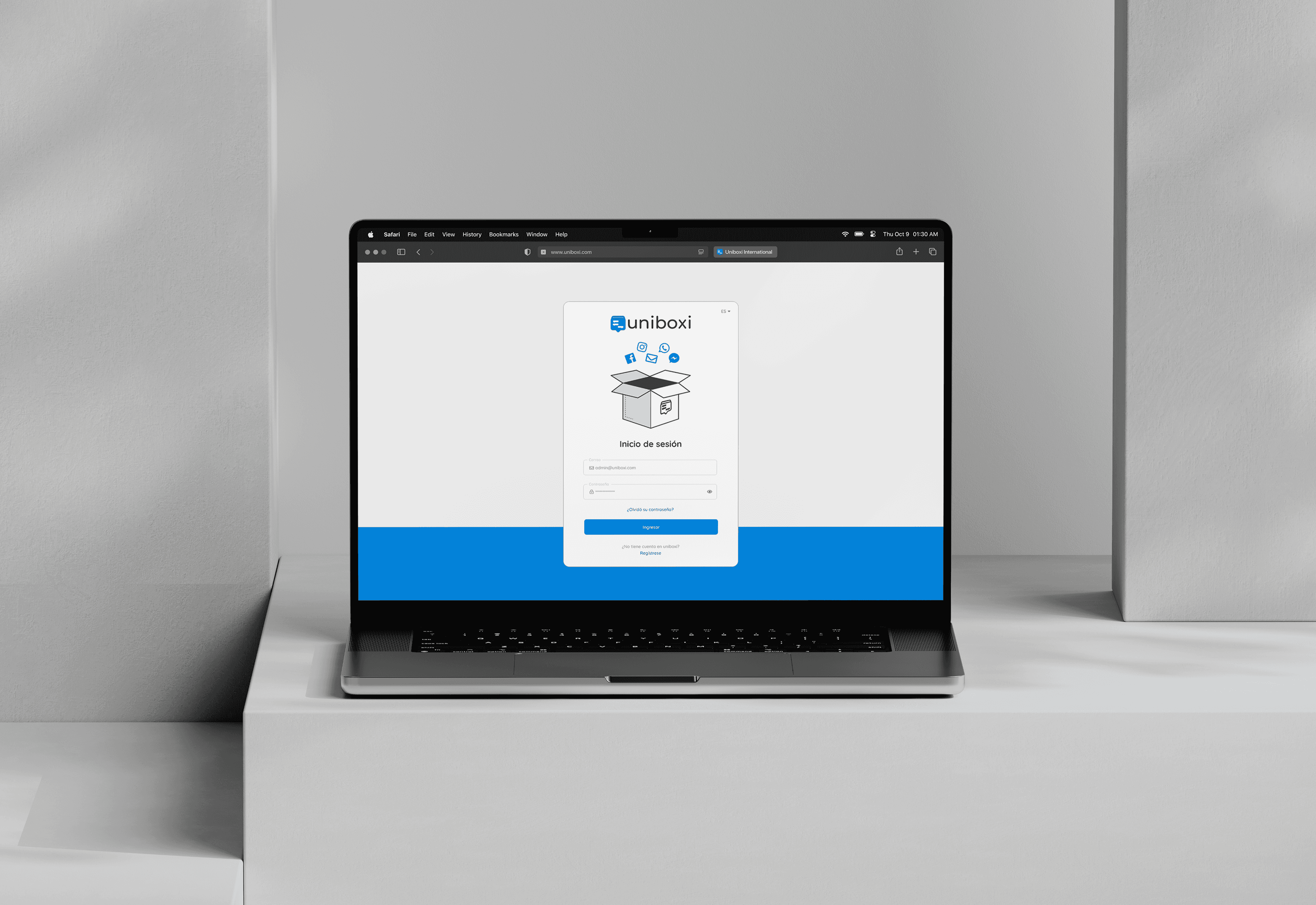
A single dashboard where businesses manage WhatsApp, Messenger, and Instagram conversations together.
Client
Uniboxi
Year & duration
2019
-
10 months
Role
UX/UI Designer. Designed the platform from scratch, defining the inbox structure, conversation threading, and team workflows. Worked alongside Javier Gonzalez on research and interface design.
Why this case study
Most customer support tools solve one channel well. Uniboxi was built to solve all of them at once, in a single workspace, for teams that were drowning in tabs. This case study is about designing a system where context never gets lost, ownership is always clear, and the repetitive work gets handled automatically so people can focus on conversations that actually need attention.
At a glance
Full platform designed from scratch, sole designer on UX/UI
Four core systems: inbox, automation, reporting, component library
98% message open rate across 350,000 conversations annually
Automation builder became the primary driver of platform growth
4M+
Messages a year
350K
Customer conversations
98%
Message open rate
What were teams dealing with?
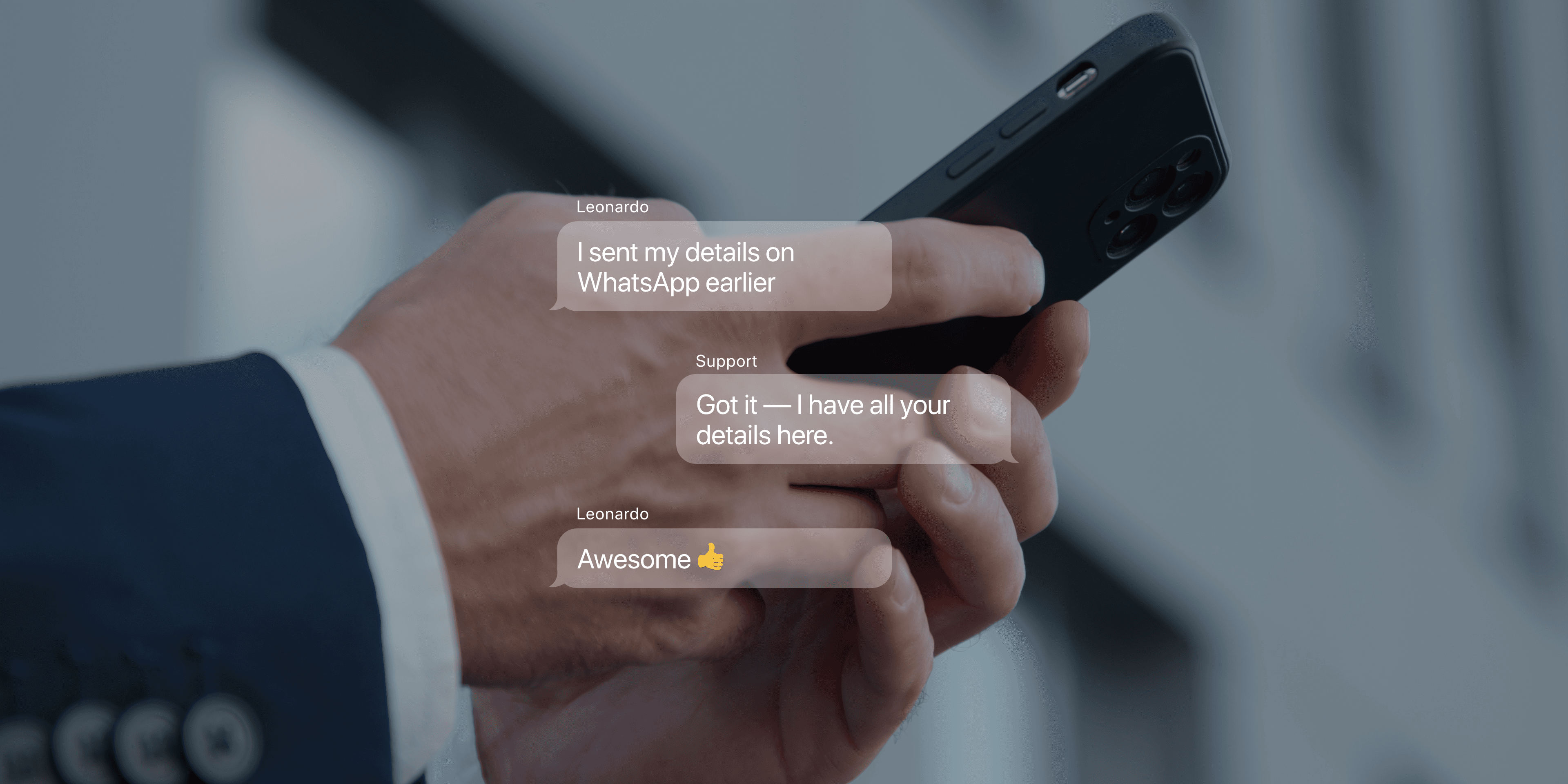
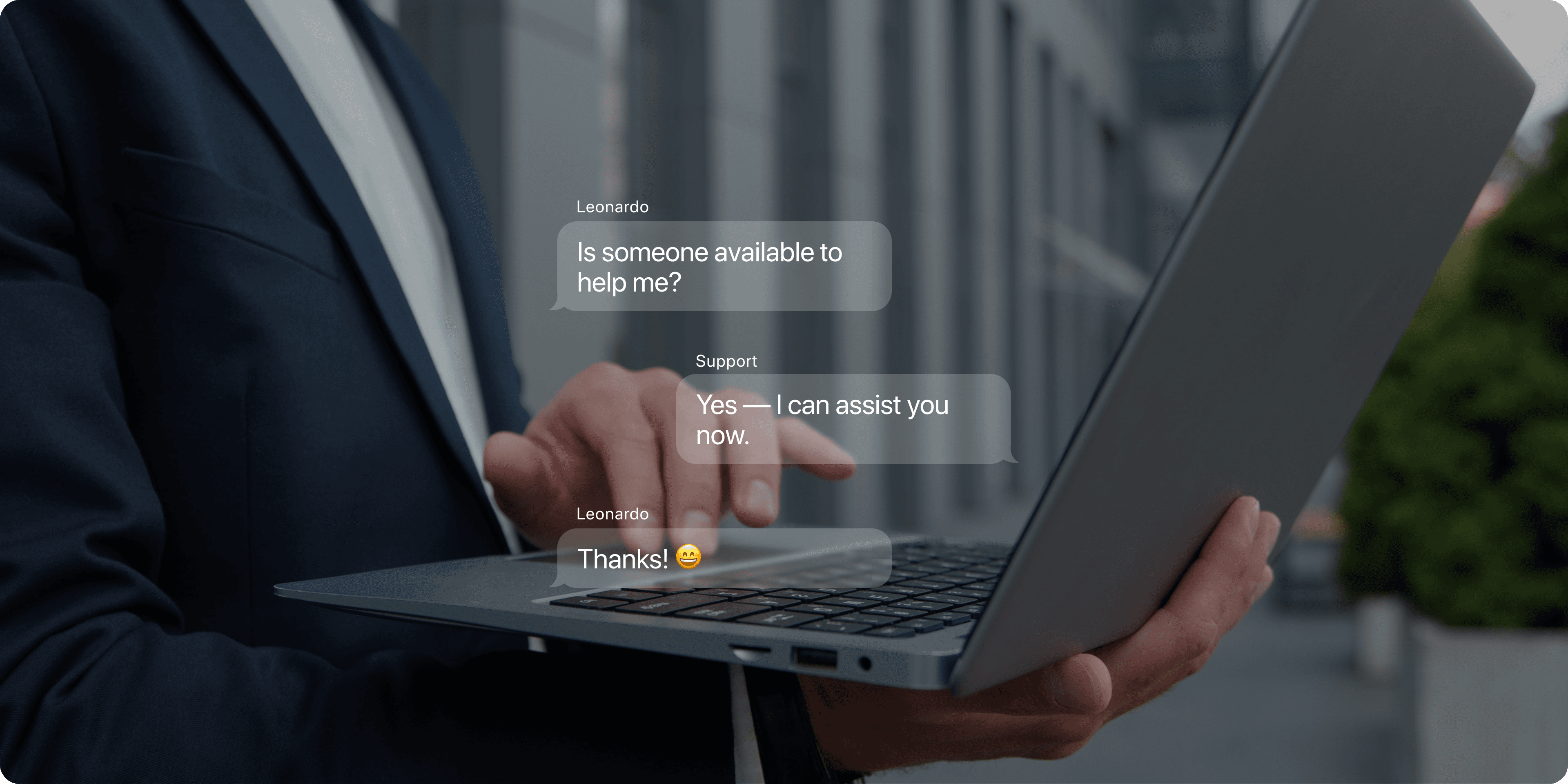
Support teams managed customer conversations across multiple channels, but each platform lived in a separate window with its own login and notification queue.
Answering meant switching tabs constantly, reassembling context manually, and hoping nothing got missed.
Every channel was someone's responsibility and no one's at the same time.
What would it need to do?
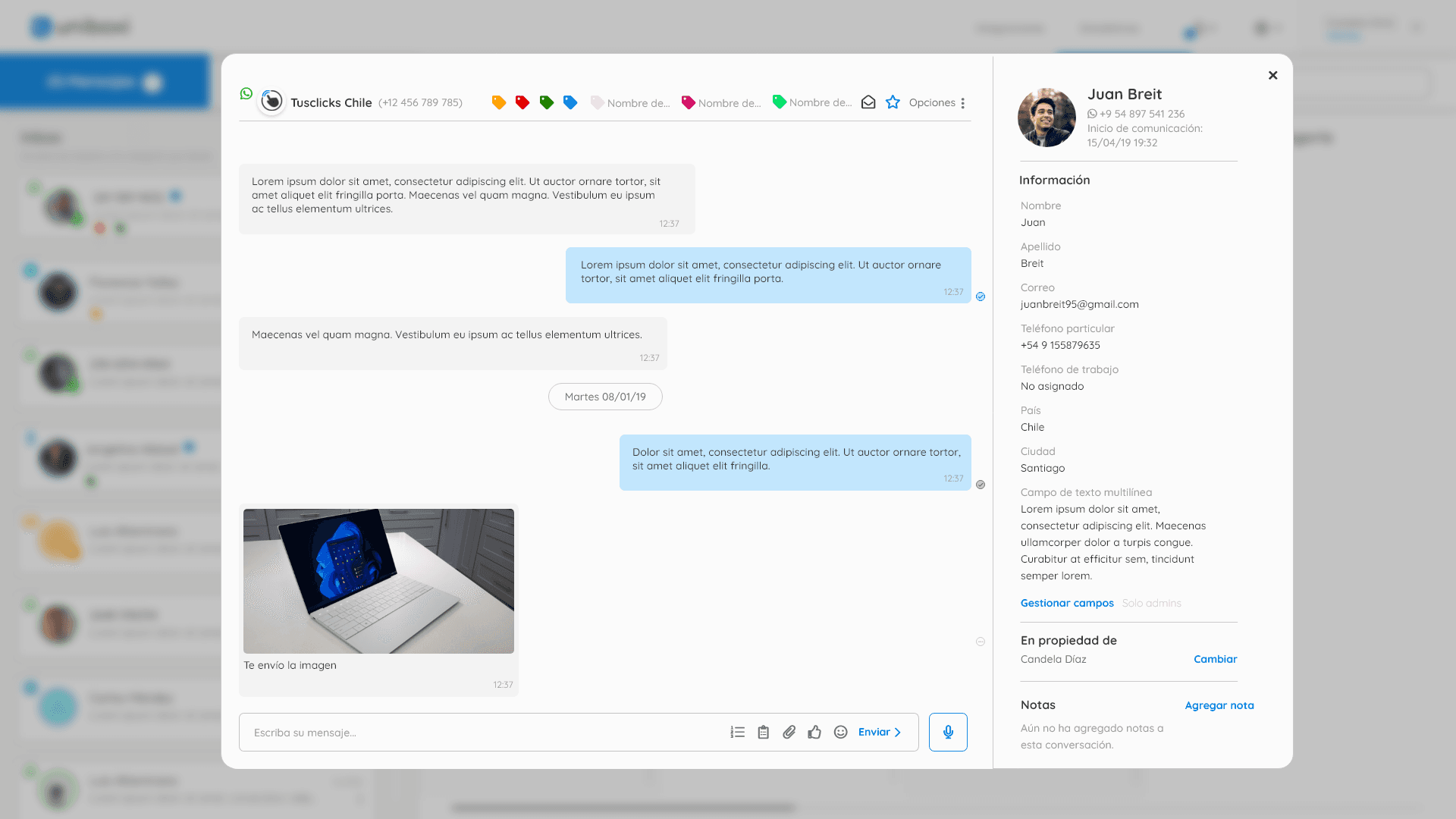
Teams needed full context on every conversation, clear ownership, and the ability to track follow-ups without switching tools.
The business needed a system that became the central hub for customer communication, not just another tab to manage.


What was breaking down?
How do you unify three platforms?
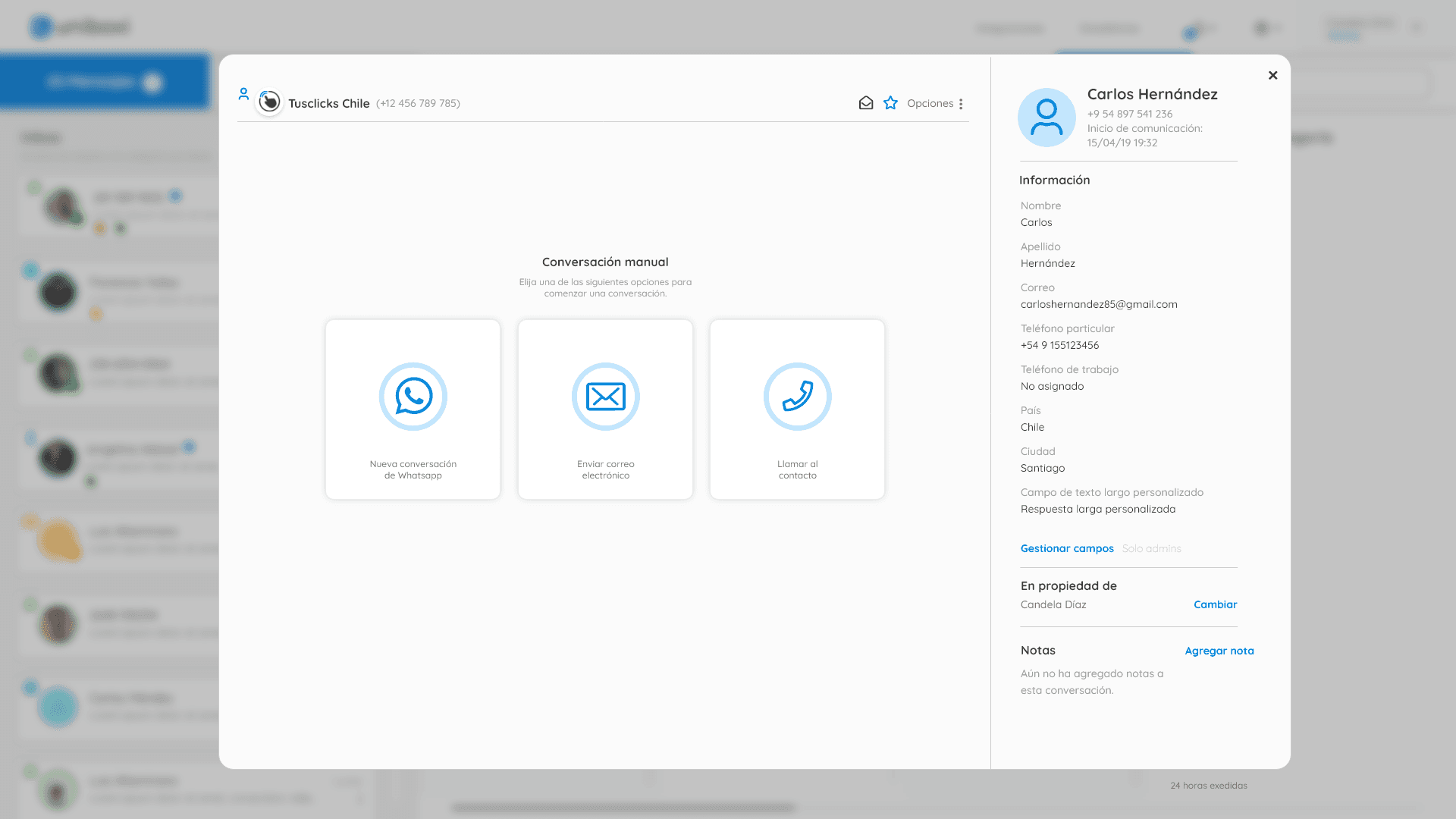
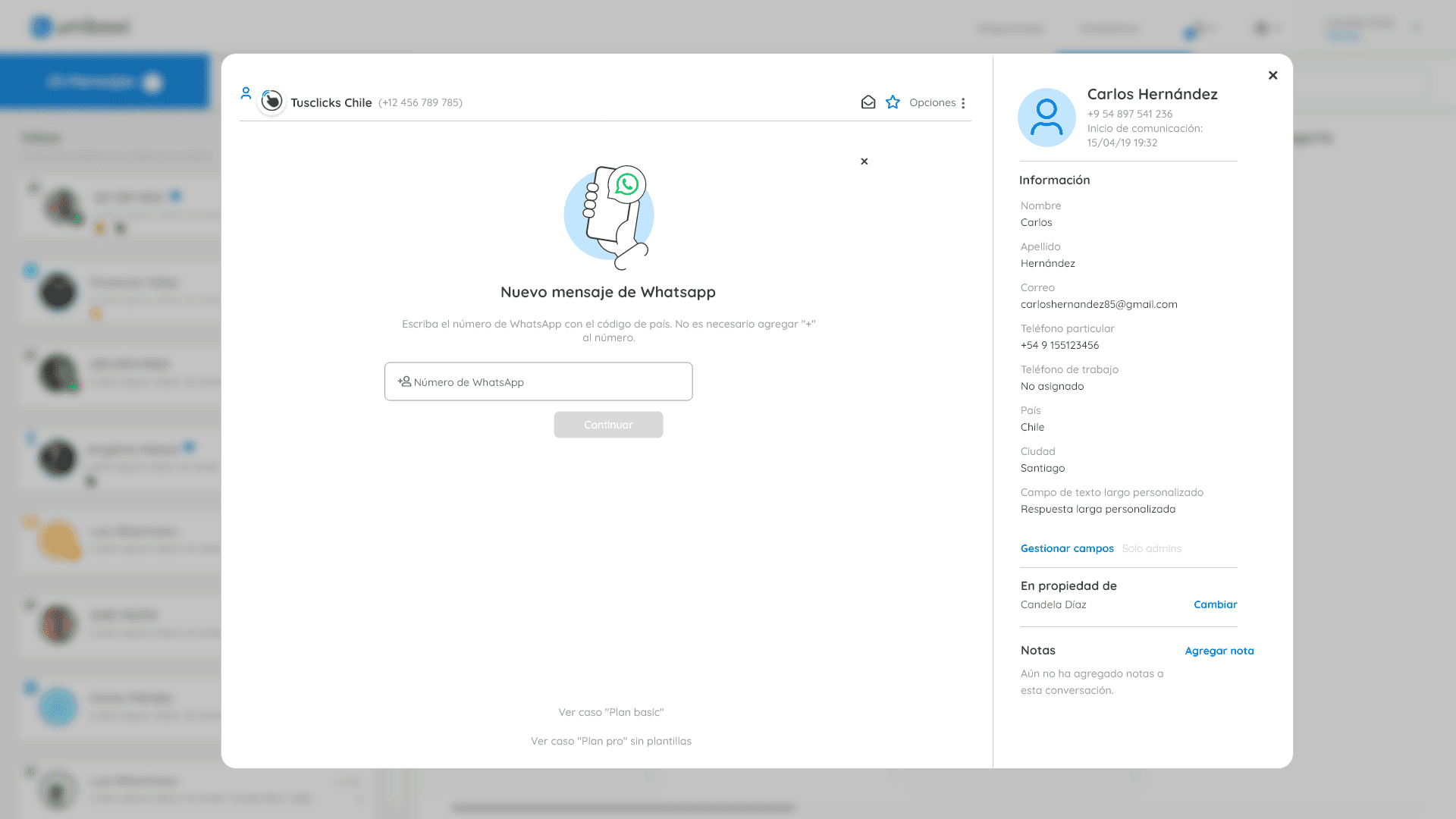
The design brings everything into a single workspace structured so teams can see a conversation's full arc and act on it immediately.
Each channel feeds into the same inbox, the same ownership model, and the same reporting layer, so switching between WhatsApp, Messenger, and Instagram feels like switching context, not switching tools.
Stop managing channels. Start managing conversations.
The guiding principle



Four systems, one inbox
I designed the platform around four core systems.
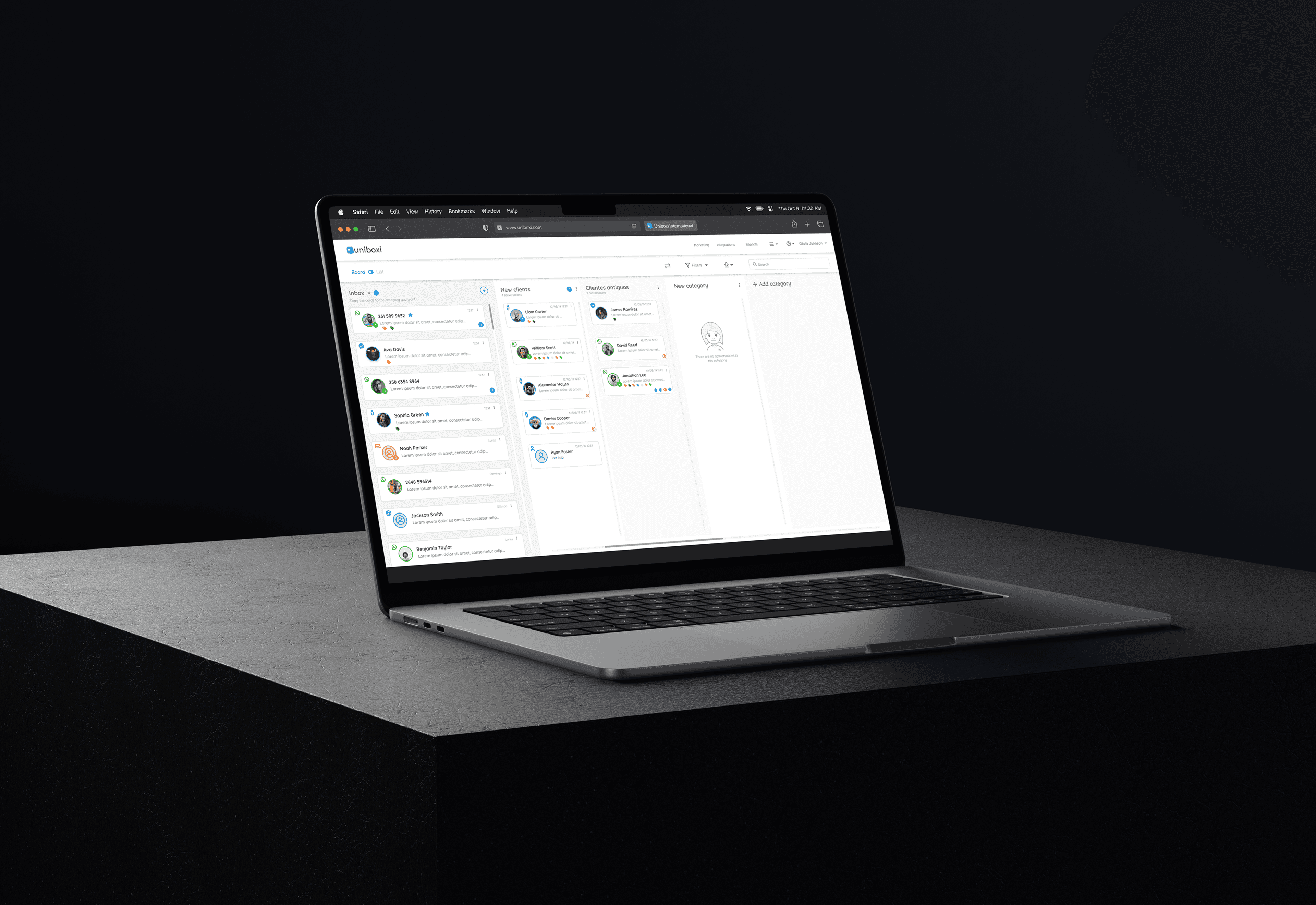
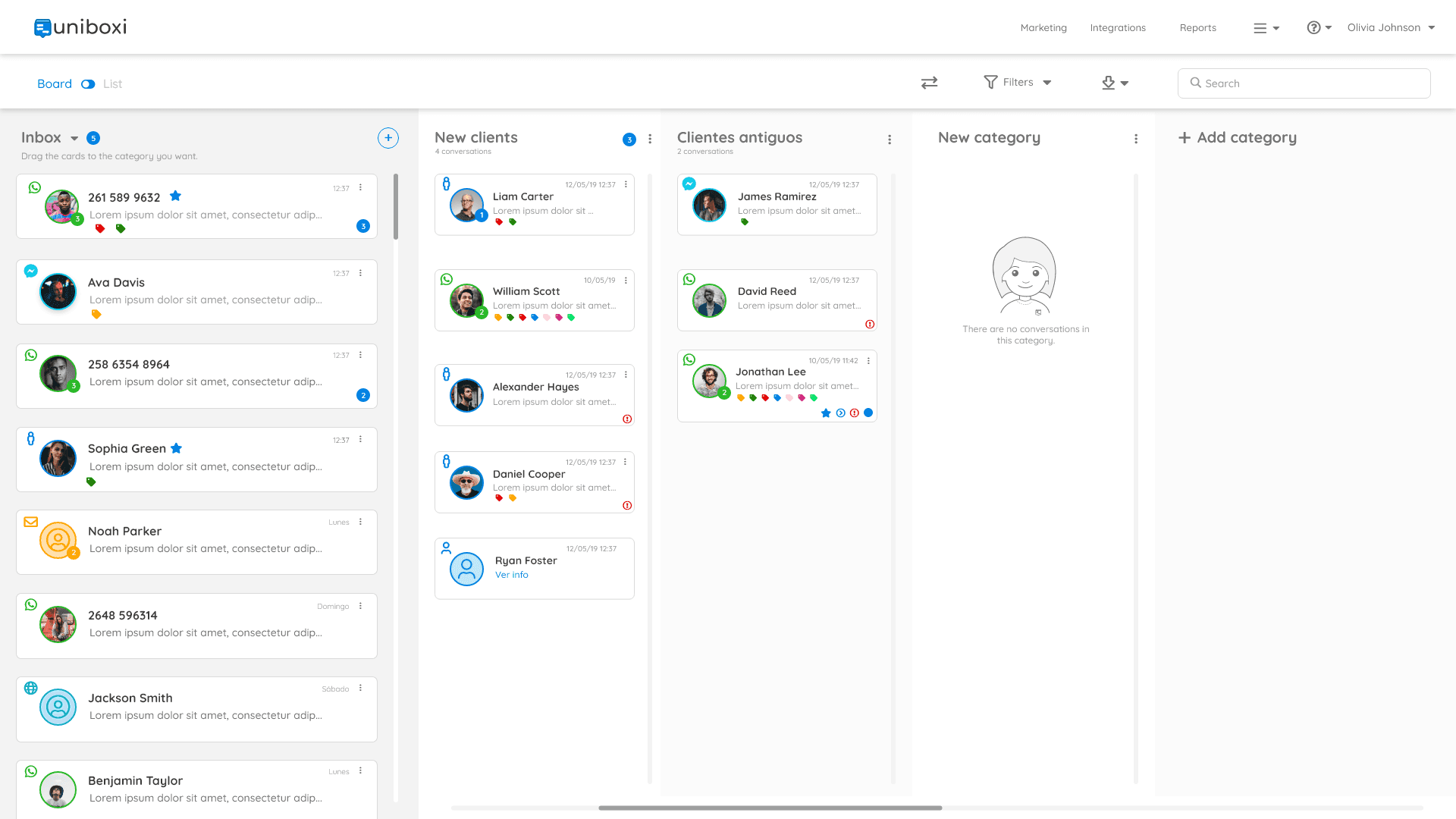
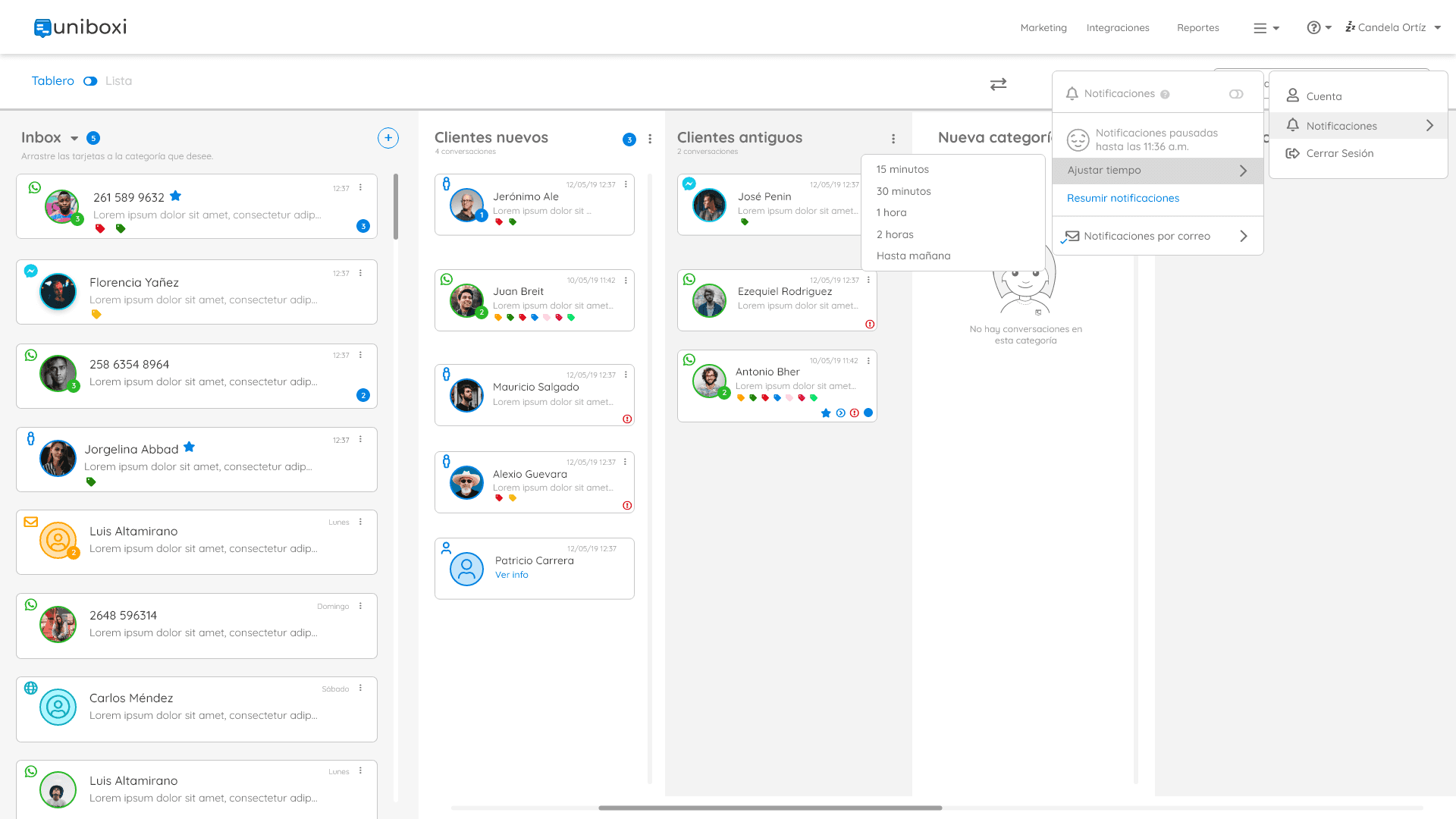
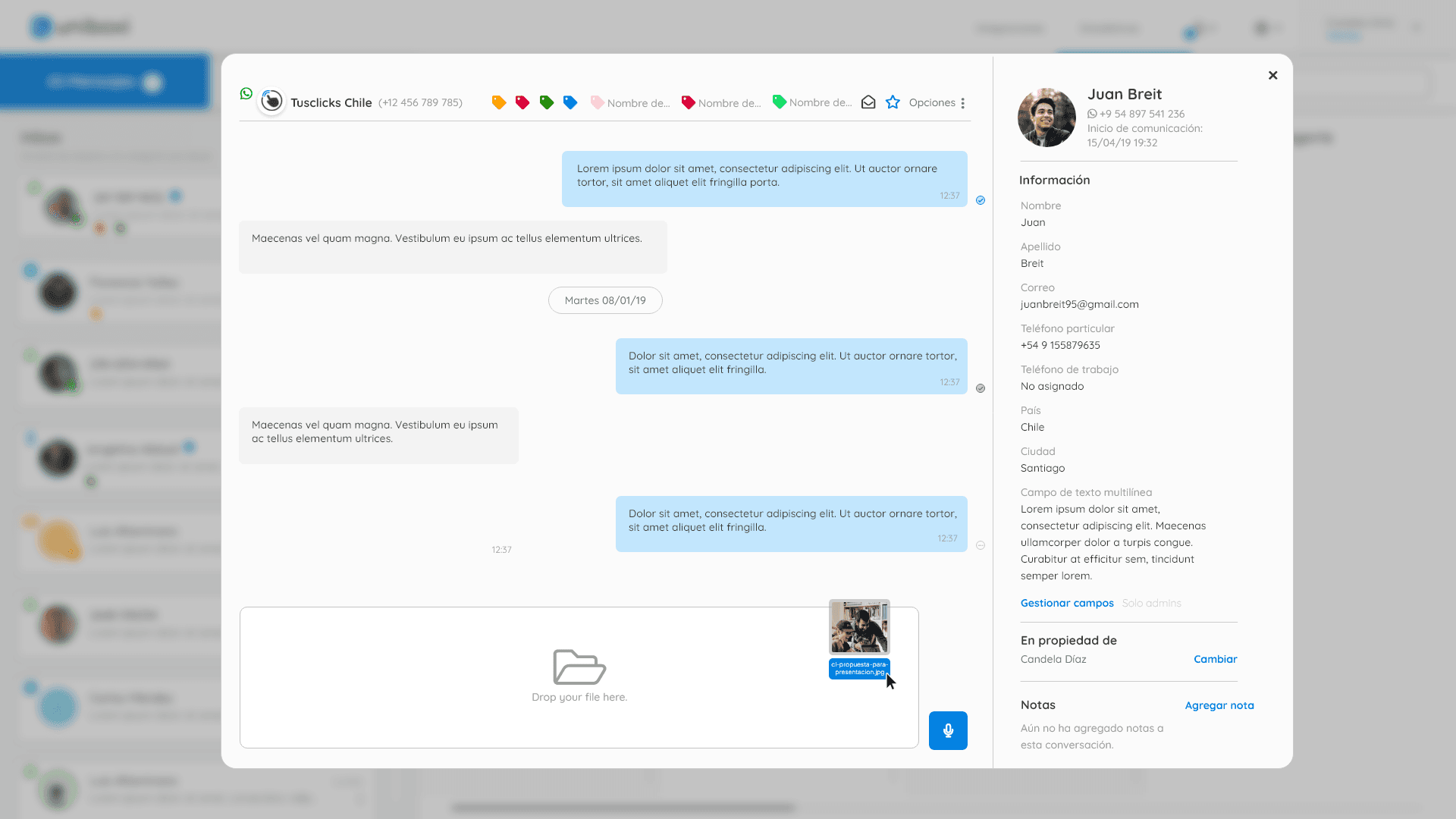
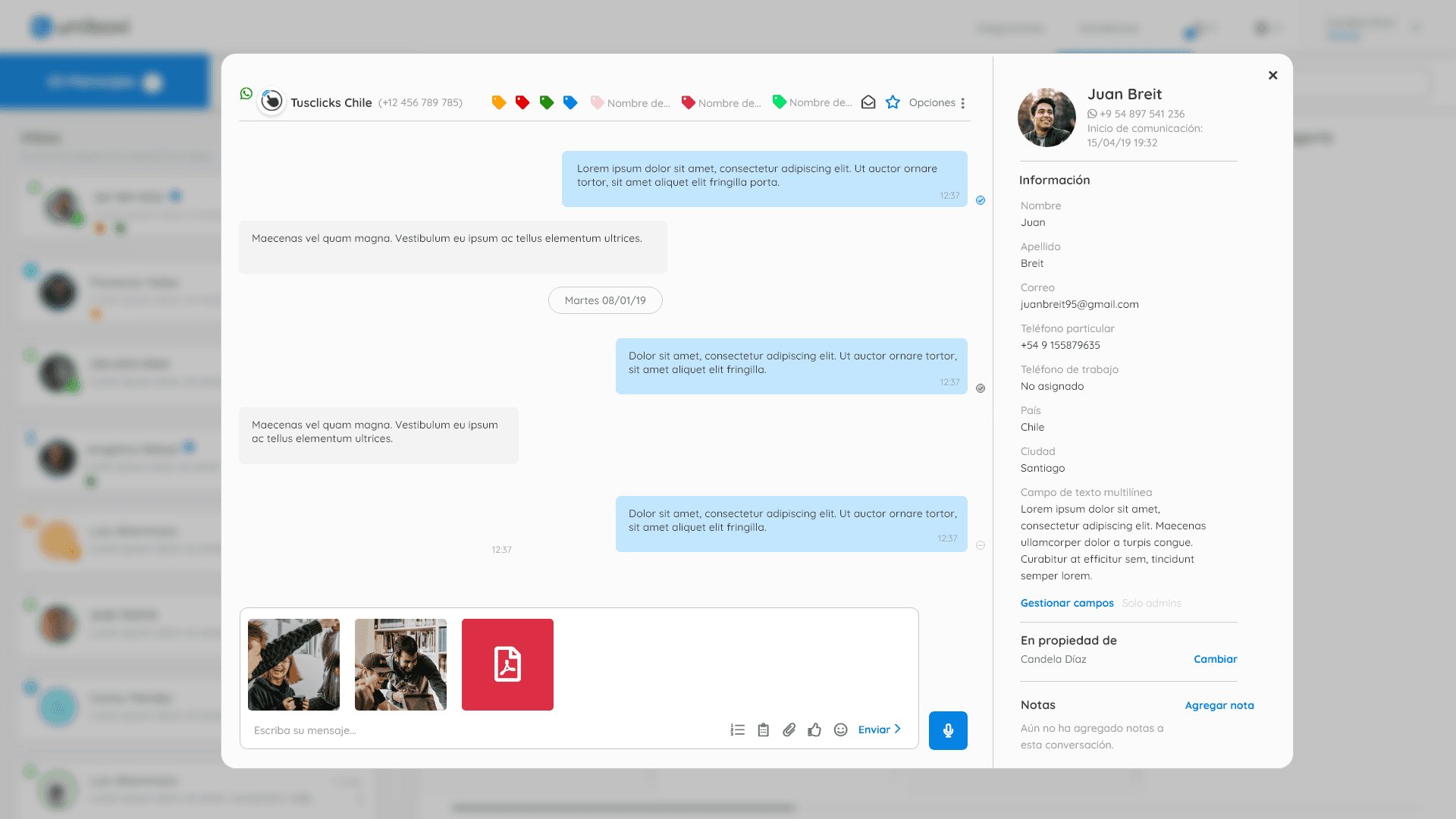
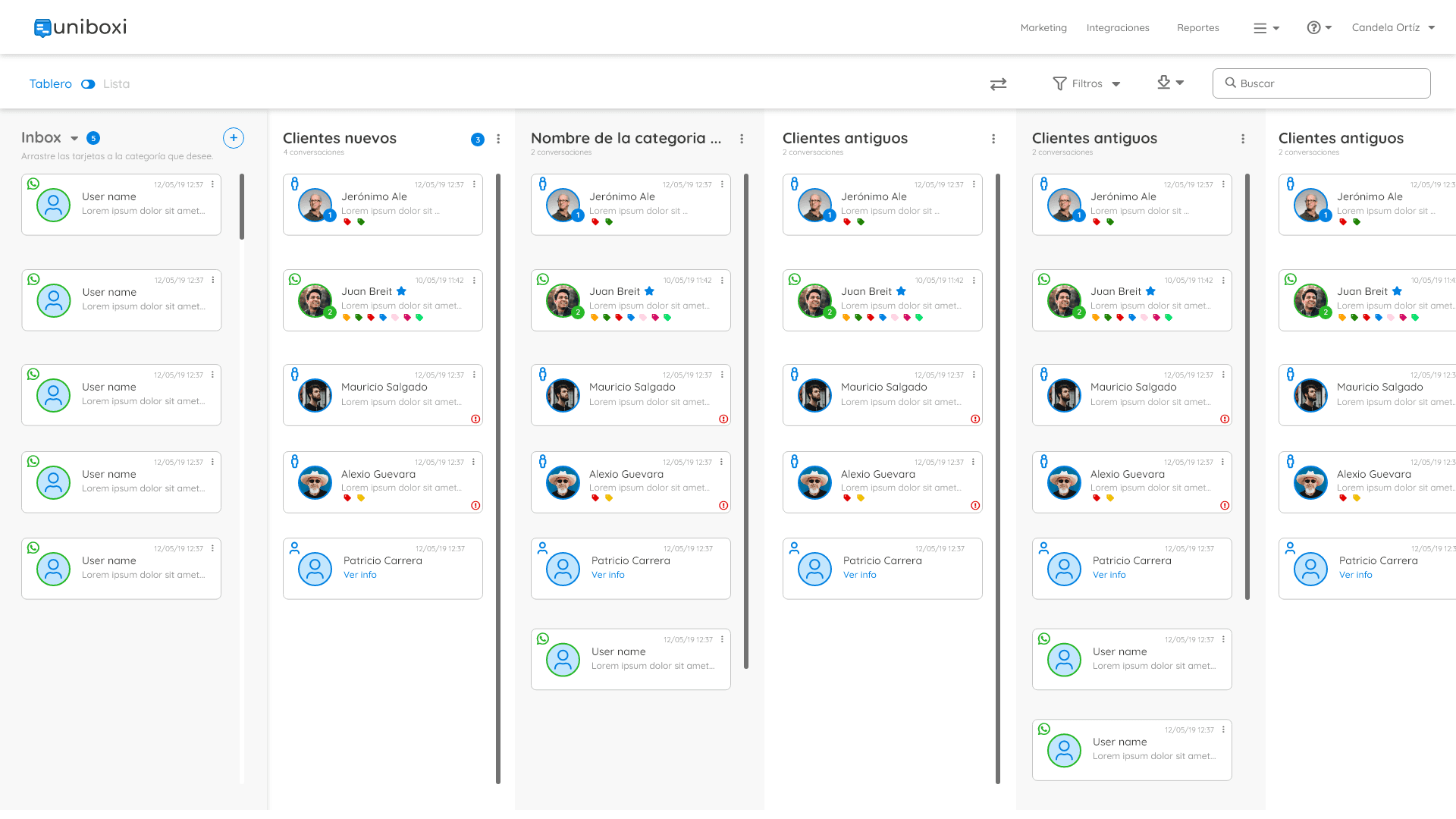
The inbox structures conversations into columns, new clients, returning clients, custom segments, where teams organize by assigned ownership and priority rather than recency, changing how they manage daily workflow.
Automation builder handles repetitive queries through templates and conditional logic, translating technical if/then sequences into something non-technical teams could configure, which required more design iteration than expected.
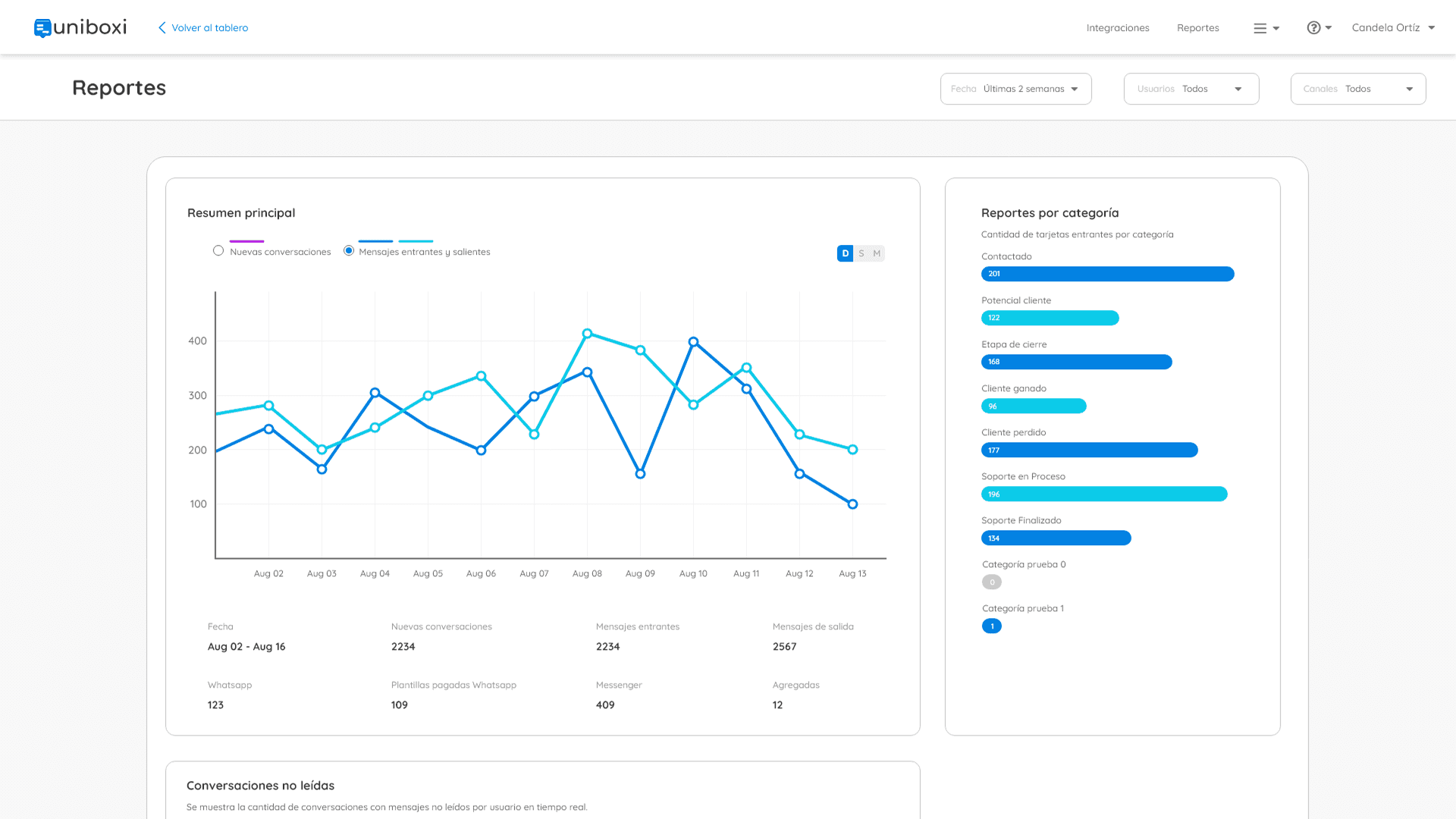
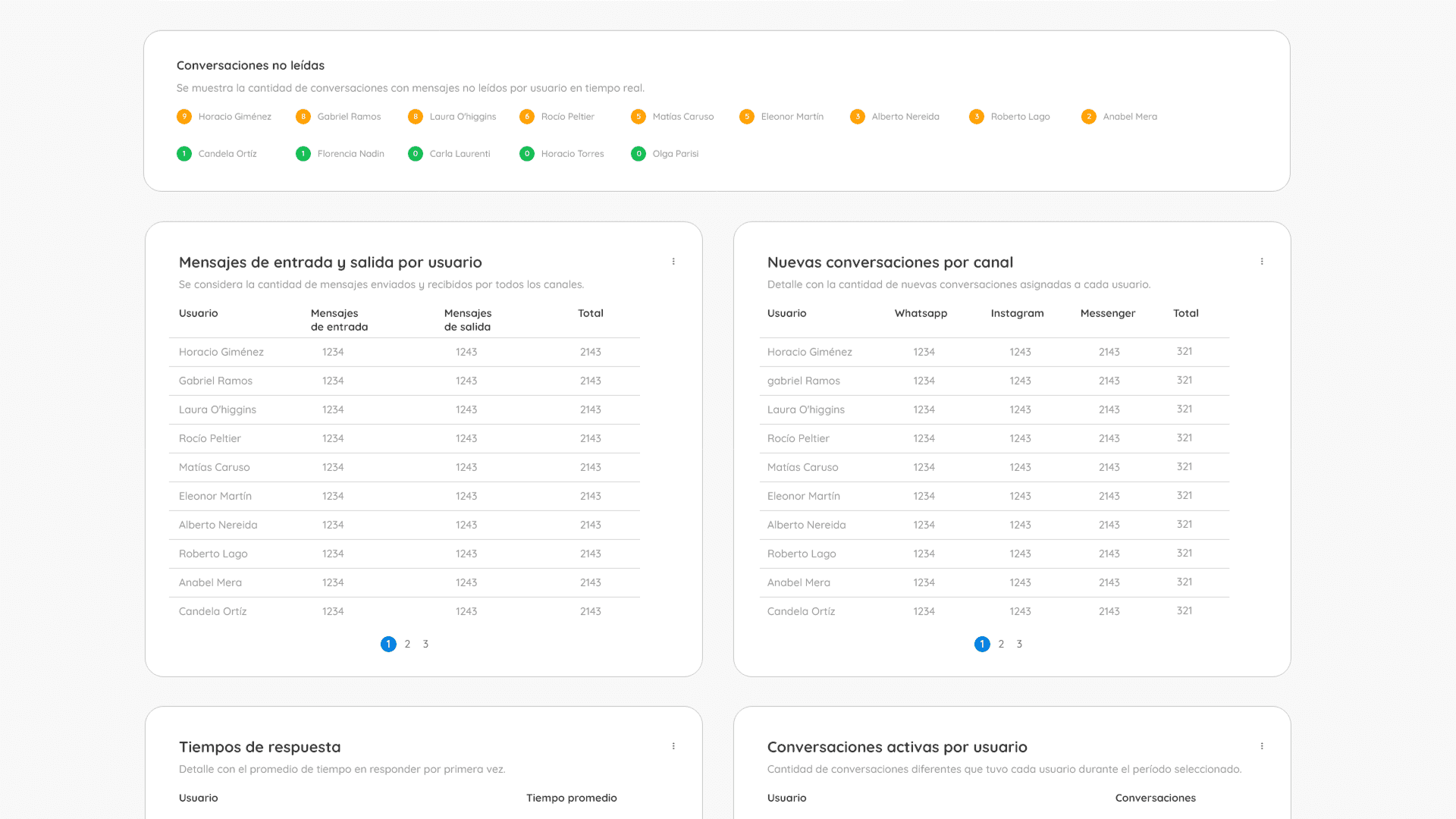
Performance reporting shows resolution rates, response times, and agent activity. Defining logging requirements for every interaction added backend complexity but gave managers the visibility they needed.
A component library standardized cards, indicators, and actions. The upfront investment slowed initial feature shipping but ensured consistency as the platform scaled.
Early adoption showed the inbox structure made sense, but teams struggled initially with Kanban workflows. Assigning ownership and moving cards between columns felt unfamiliar.
Most learned quickly once they understood the logic.
The automation builder overwhelmed non-technical users with nested conditions, so we simplified the interface and added pre-built templates for common scenarios.
Performance reporting landed well. Managers found the data they needed without extensive training.
Did it work?
Businesses brought all their customer conversations under one roof.
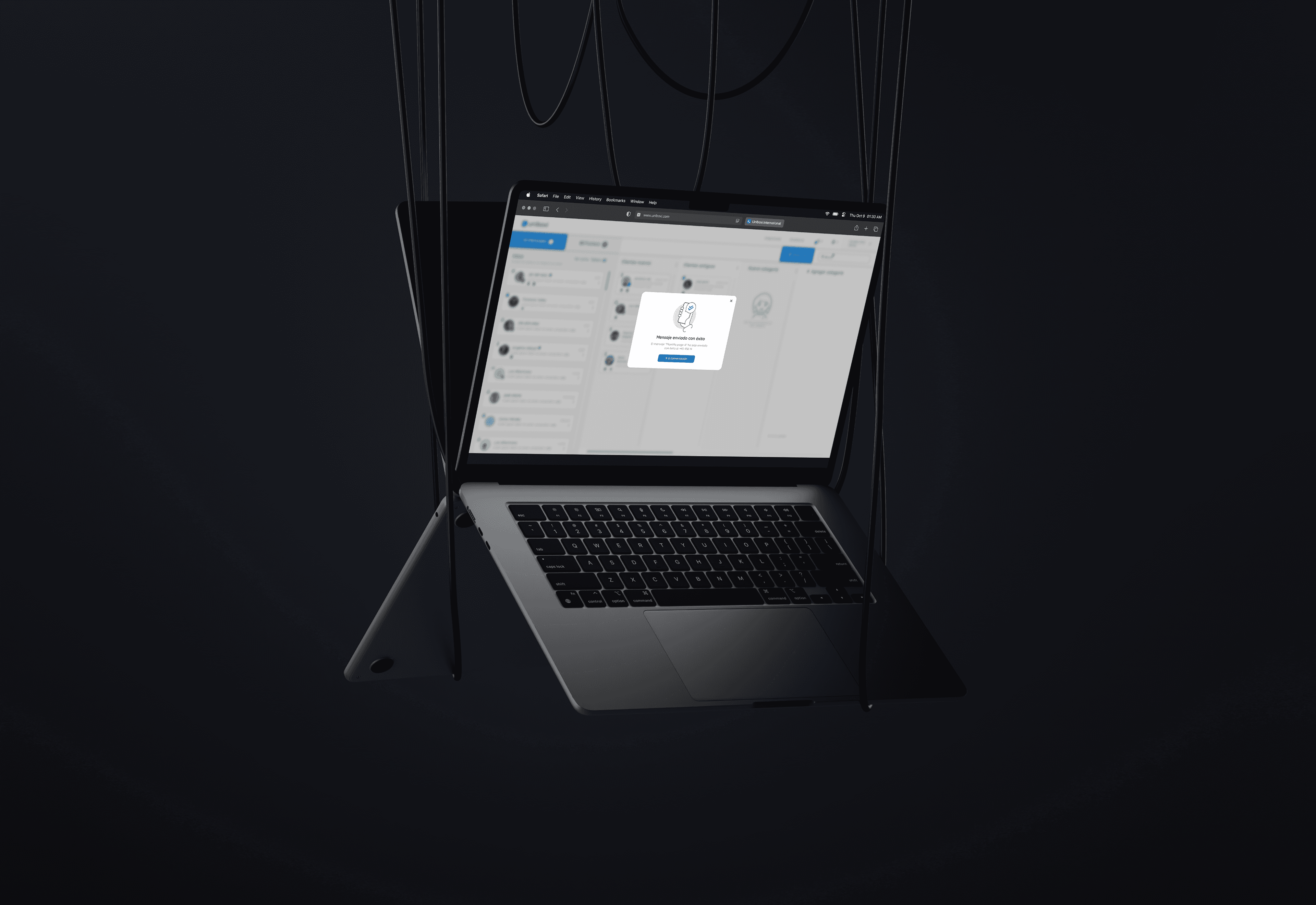
The platform now processes over 4 million messages annually across 350,000 customer conversations, with a 98% message open rate. One company reported a 70% increase in social media sales, while another finalized 130 orders directly through WhatsApp.
The automation builder became the primary growth driver, with businesses expanding usage specifically to handle high-volume scenarios more efficiently.
4M+
Messages a year
350K
Customer conversations
98%
Message open rate
What did I get wrong?
Teams adopted Uniboxi to stop managing separate platforms. What kept them there was automation, specifically the ability to build responses they could reuse across hundreds of conversations.
That surprised me. The feature I designed as a utility became the reason teams expanded how they used the platform, and it shifted the roadmap toward automation capabilities instead of adding more channel integrations.
The platform is growing fast. What matters now is whether that growth comes from new teams adopting or existing teams doing more with it.
What gets people in the door isn't always what keeps them — pay attention to what they actually use.
Core insight
Supporting Visuals
Logo presentation
Logo usage
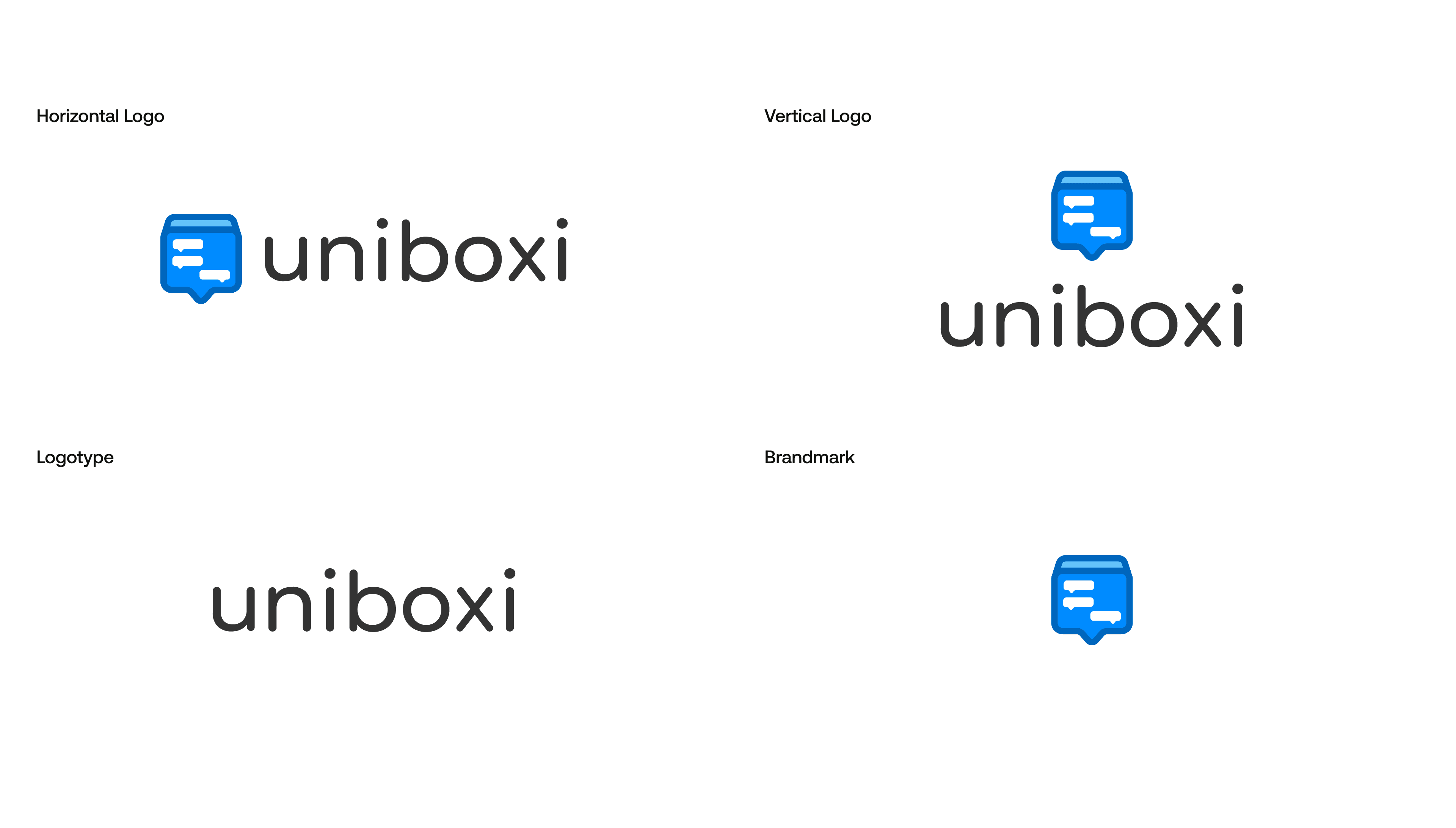
Logo variations
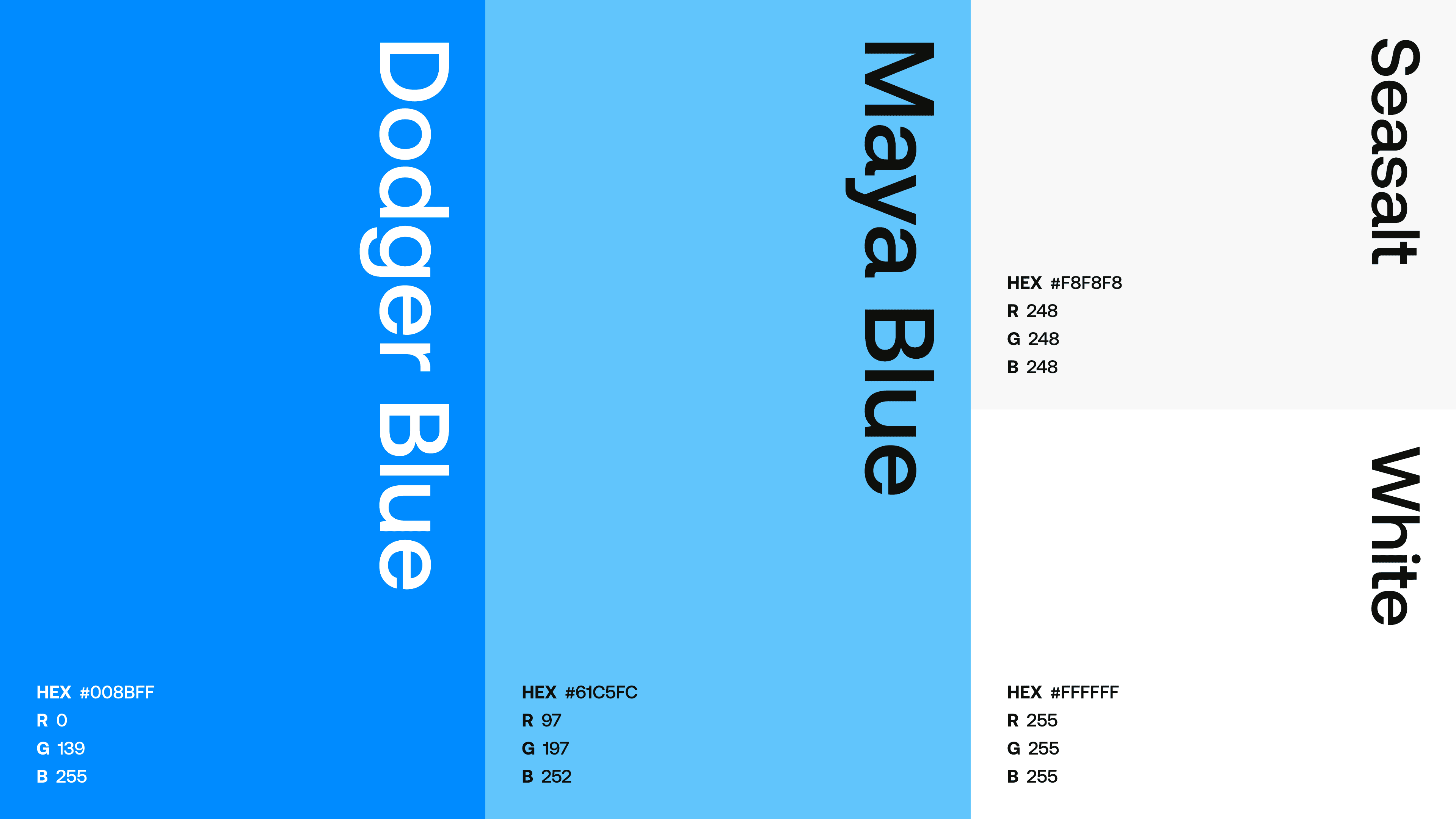
Color palette
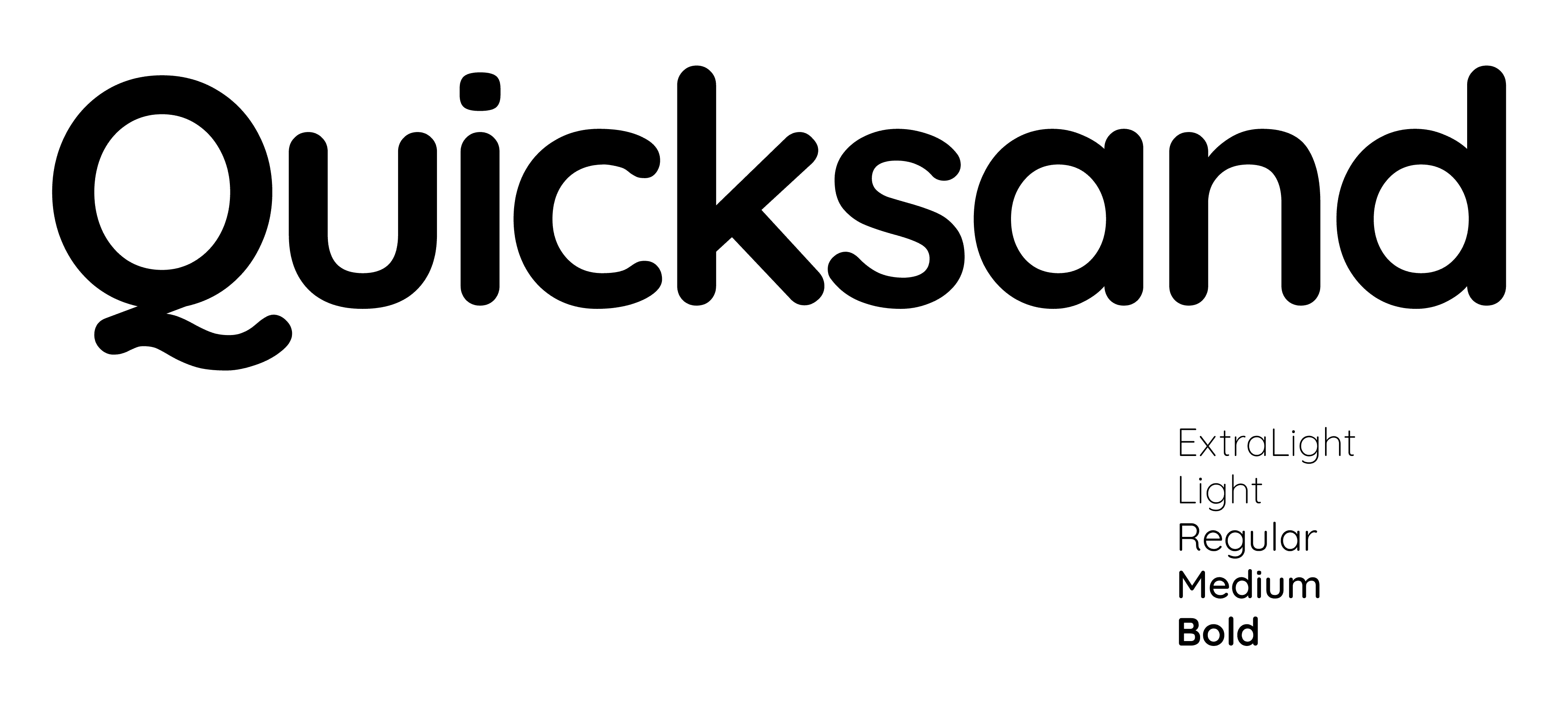
Typography
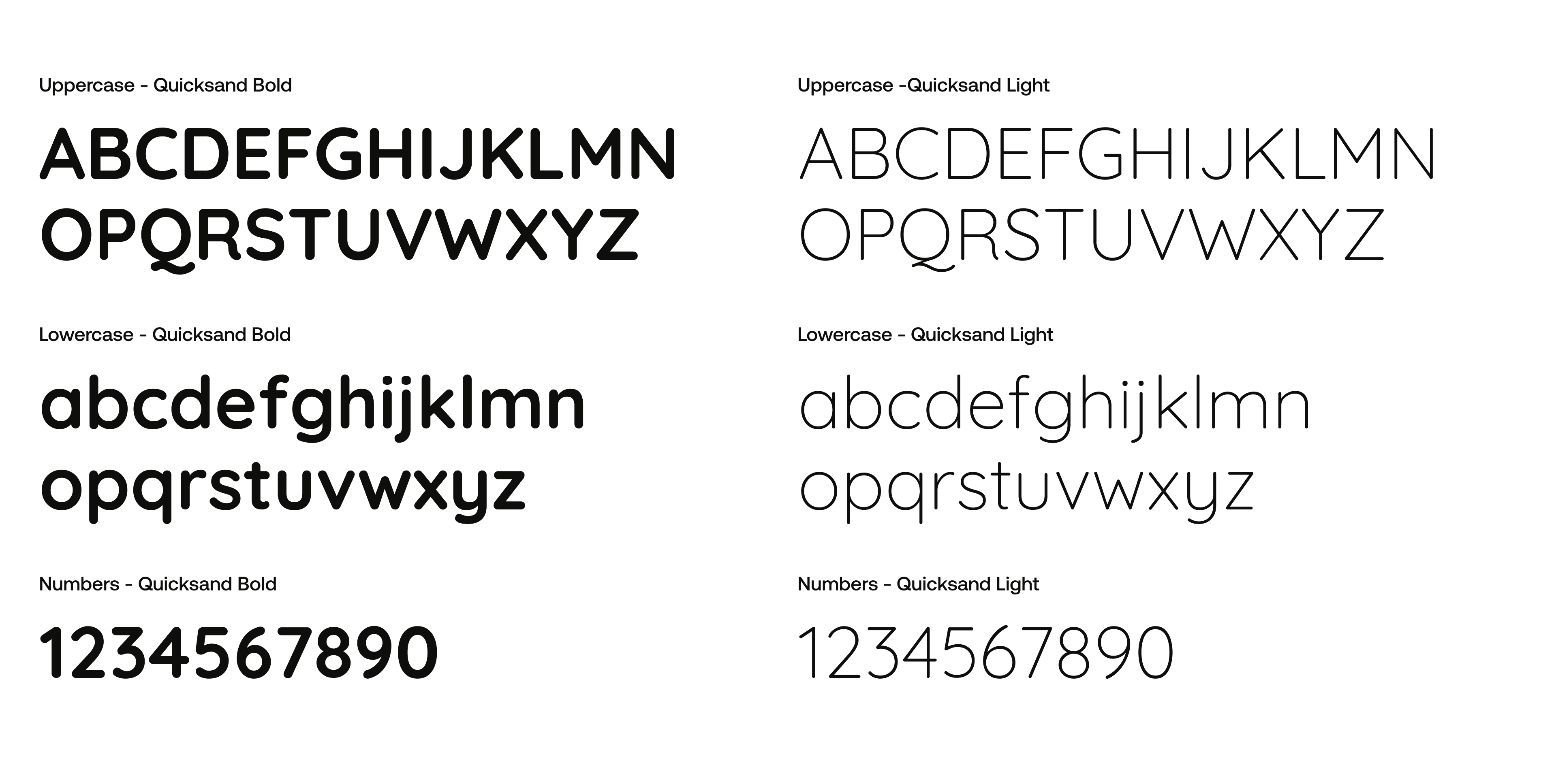
Typography details
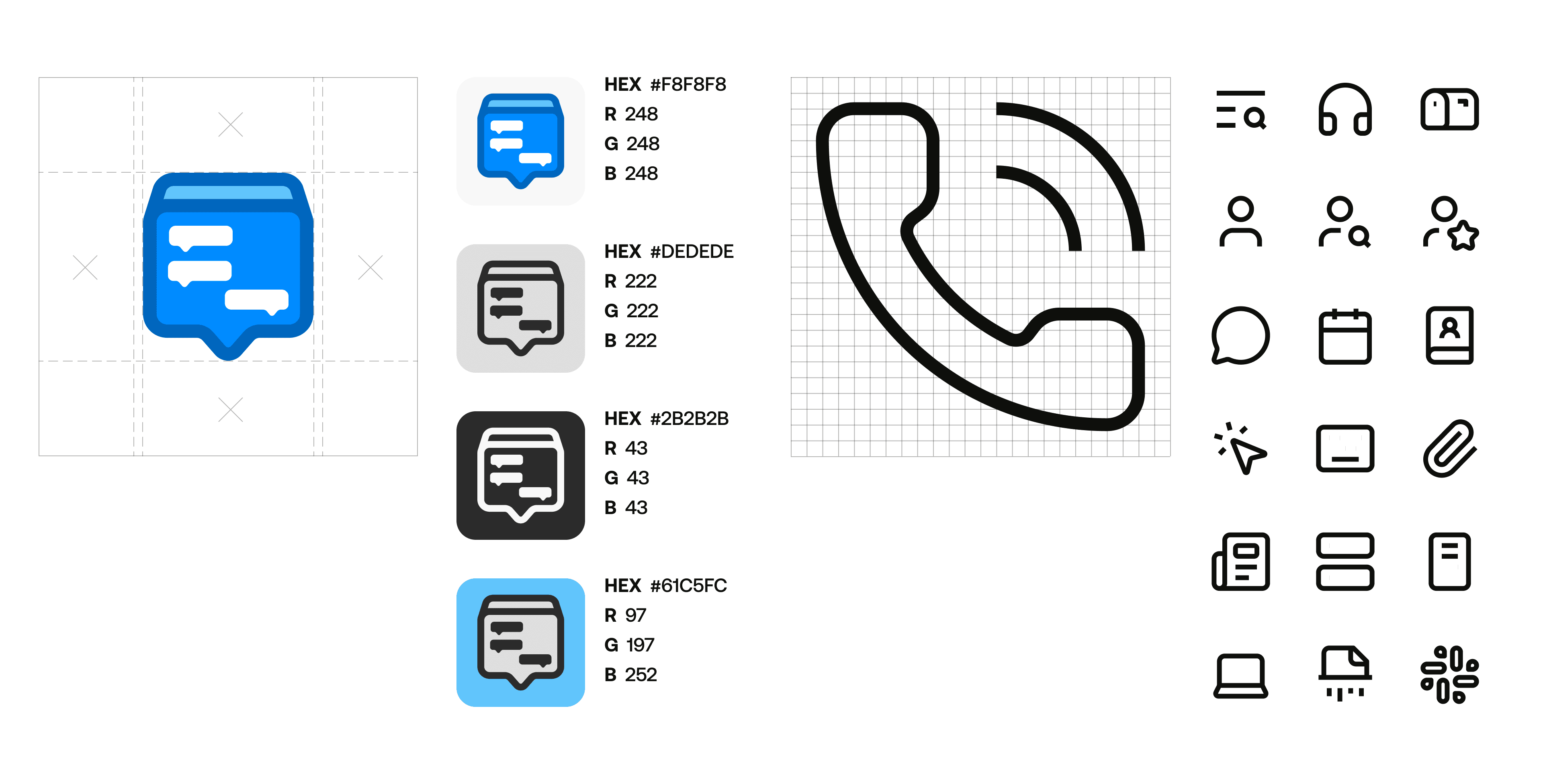
Brandmark & icons

Browser icon

Browser tab
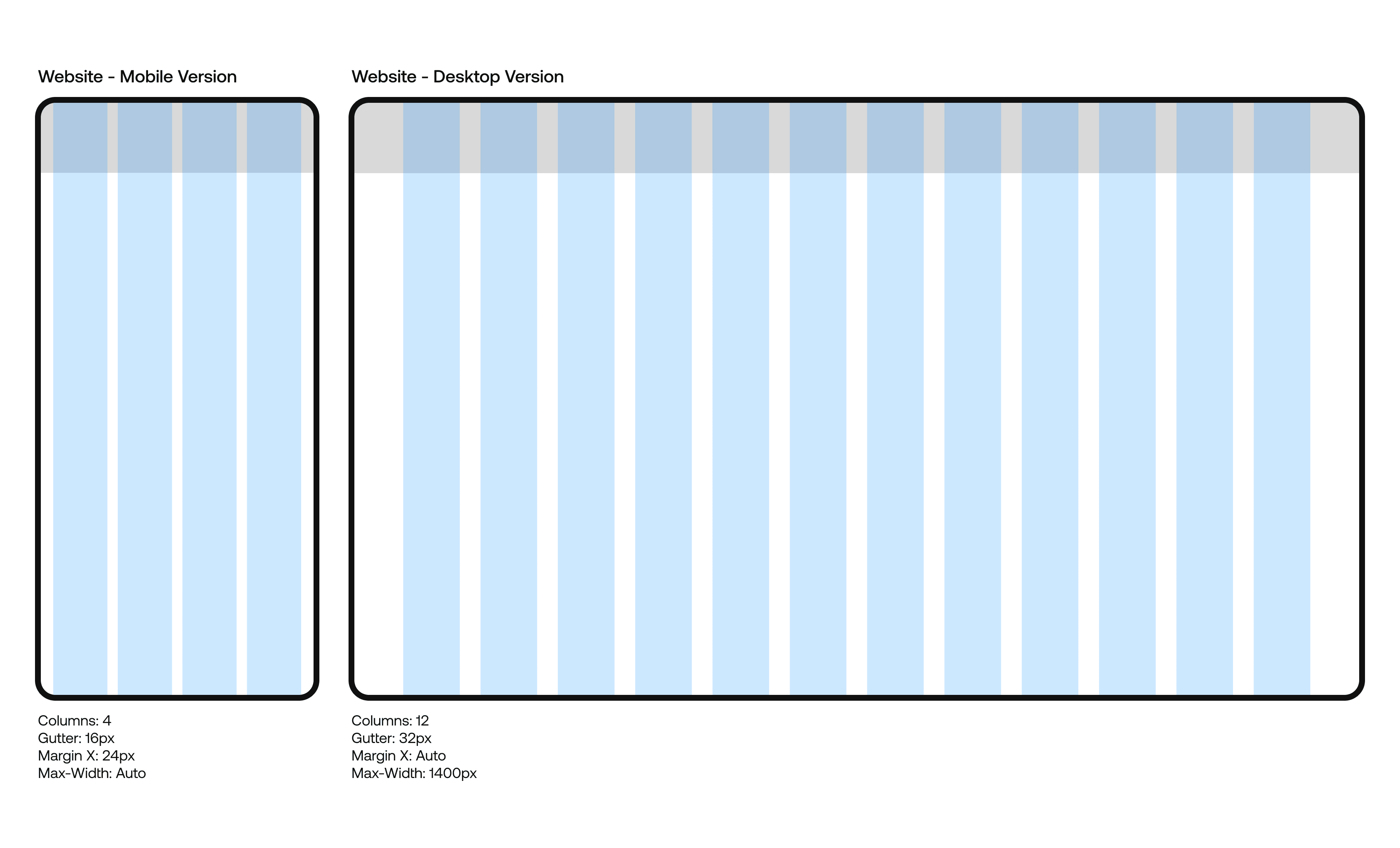
Grid system